Table of Contents
You’re three days into a backpacking trip, exhausted from miles of trail, and your hands are shaking as you try to eat that rehydrated chili. Suddenly, your cheap plastic spoon snaps in half, dumping dinner into the dirt. I’ve been there—and that exact moment is why experienced backpackers take their utensils seriously.
The TOAKS Titanium Spoon represents the gold standard for many ultralight enthusiasts, but is it worth the investment over a $2 plastic alternative or more expensive options? After testing this spoon across hundreds of miles of trail and countless backcountry meals, I’m breaking down exactly how it performs when it matters—not just in the specs sheet.
Key Takeaways
- Unmatched durability-to-weight ratio – titanium survives drops, crushing, and extreme temperatures that destroy plastic utensils
- Minimal maintenance – no coatings to wear off, no metallic taste transfer, and effortless cleaning
- Real limitations exist – the shallow bowl design struggles with runny soups, and the handle could be more comfortable for larger hands
- Best value for serious backpackers – balances premium materials with reasonable pricing compared to boutique brands
- Overkill for casual car campers – the performance advantages matter less when weight isn’t critical
Quick Verdict
Best for: Ultralight backpackers, thru-hikers, and anyone prioritizing minimal pack weight without sacrificing durability. The TOAKS titanium spoon delivers where it matters most—surviving harsh conditions while barely registering on your scale.
Not ideal for: Car campers, family camping trips with kids, or anyone who primarily eats runny soups. The performance advantages diminish when weight isn’t critical, and the shallow bowl design has limitations.
Core strengths: Exceptional strength-to-weight ratio, zero maintenance requirements, and reliable performance across temperature extremes. This is a buy-it-for-life utensil that eliminates gear failure concerns.
Core weaknesses: Higher price than plastic alternatives, shallow bowl design limits liquid capacity, and the minimalist handle may be uncomfortable during long meal prep sessions.
Product Overview & Specifications
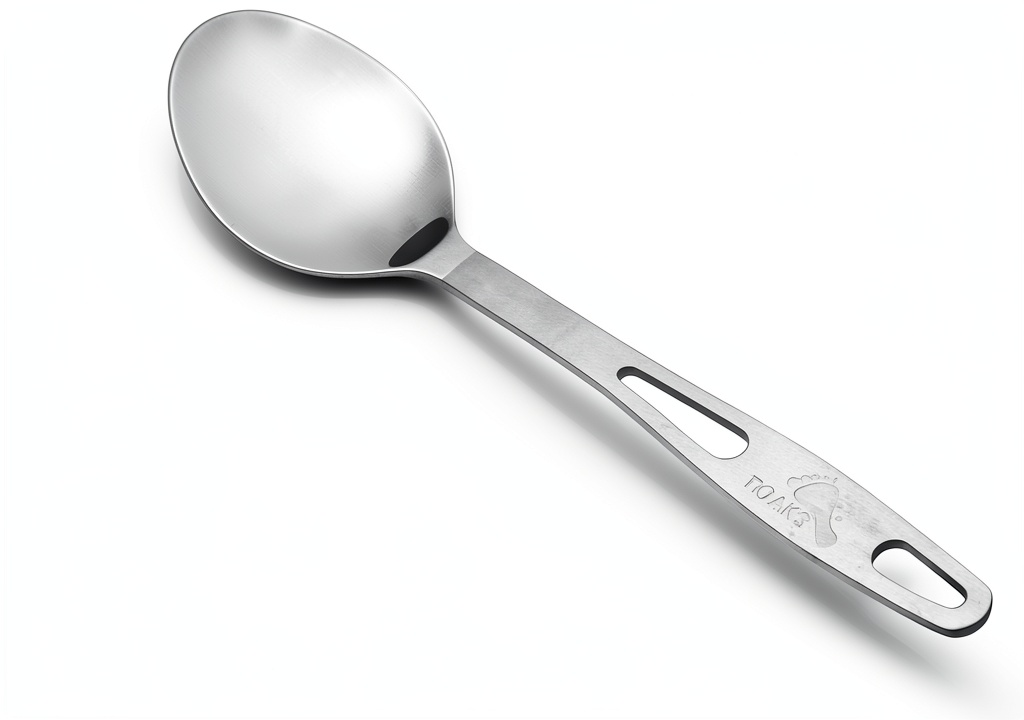
The TOAKS Titanium Spoon sits in that sweet spot between budget plastic utensils and premium boutique options. Weighing just 0.6 ounces, it’s light enough for the most weight-conscious backpacker yet durable enough to survive being crushed in a pack or dropped on rocks.
What makes titanium special isn’t just the weight—it’s the material properties that matter in real use. Unlike aluminum, it won’t bend permanently under pressure. Unlike steel, it doesn’t rust or transfer metallic tastes. And unlike plastic, it survives high temperatures and rough handling.
| Specification | Details |
|---|---|
| Material | Grade 1 Titanium (uncoated) |
| Weight | 0.6 oz (17g) |
| Length | 6.5 inches (16.5cm) |
| Bowl Dimensions | 1.5 x 1.5 inches (3.8 x 3.8cm) |
| Finish | Polished mirror bowl, matte handle |
| Grip | Indented handle pattern |
| Country of Manufacture | China (US design) |
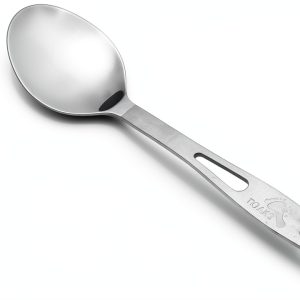
The polished bowl isn’t just for looks—it makes cleaning significantly easier, especially with sticky foods like oatmeal or rehydrated meals. The matte finish on the handle provides just enough texture for a secure grip without being abrasive on your hands.
Real-World Performance & Feature Analysis
Design & Build Quality
TOAKS has nailed the manufacturing consistency that sometimes eludes smaller titanium brands. The welding between bowl and handle is seamless, with no rough edges that can snag on gear or catch food particles. The mirror finish isn’t just cosmetic—during testing, I found it significantly easier to clean than the brushed finishes on some competitors.
The handle indentations provide adequate grip for most situations, though I’d prefer slightly deeper grooves for use with gloves or wet hands. Where the design truly shines is in the balance—the weight distribution feels natural during use, unlike some titanium utensils that feel awkwardly front-heavy.
Performance in Real Use
During a 7-day Sierra Nevada trip, I put the TOAKS spoon through its paces across every meal scenario. For dense foods like peanut butter, nut butters, and thick stews, the shallow bowl becomes a limitation—you’ll find yourself making more trips to the container than with deeper spoon designs.
Where it excels is with dehydrated backpacking meals. The rounded bowl edge scoops efficiently from the corners of meal bags, and the stiffness provides better leverage than flexible plastic options. I particularly appreciated the rigidity when scraping the last bits from freeze-dried meal packaging—no worrying about the spoon flexing or breaking.
The 6.5-inch length proved ideal for reaching into deep meal bags but still compact enough for efficient packing. I’ve used longer utensils that become awkward in standard cook pots, and shorter ones that leave your hands covered in food—this length hits the sweet spot.
Ease of Use & Comfort
After consecutive days of use on long trails, the minimalist handle design shows its limitations. The indentations provide basic grip security, but those with larger hands or joint issues might find the narrow profile uncomfortable during extended meal times.
The trade-off, of course, is weight savings. A more ergonomic handle would add both weight and bulk—decisions that go against the ultralight philosophy this spoon embodies. For most users, the comfort level is perfectly adequate, but it’s worth considering if you have specific hand comfort requirements.
Cleaning is where titanium truly outshines other materials. The non-porous surface and polished finish meant that even stubborn foods like cheese sauces or oatmeal wiped clean with minimal effort. Unlike plastic, there’s no staining from strongly colored foods, and unlike some coated utensils, you can scrub aggressively without worrying about damaging the surface.
Durability & Reliability
I’ve accidentally sat on this spoon in my pack, dropped it on granite, and even used it to stir boiling water—zero damage. Titanium’s resilience is the real advantage over plastic alternatives that can become brittle in cold temperatures or deform in heat.
The lack of coatings means there’s nothing to wear off over time. I’ve used aluminum utensils with non-stick coatings that eventually flaked into my food, and plastic spoons that developed rough edges from wear. After six months of regular use, the TOAKS spoon looks and functions identically to day one.
Corrosion resistance matters more than many realize—I’ve seen steel utensils rust after improper cleaning in the field, and aluminum can develop oxidation. Titanium remains completely inert, making it ideal for salty environments or when proper cleaning isn’t immediately possible.
Pros & Cons
Advantages:
- Unbeatable weight-to-strength ratio – survives abuse that would destroy plastic or bend aluminum
- Zero maintenance requirements – no coatings to damage, no rust, no taste transfer
- Effortless cleaning – polished surface prevents food sticking, even with sticky foods
- Temperature resistant – won’t melt near heat sources or become brittle in freezing conditions
- Compact dimensions – fits easily in cook pots or utensil pockets without awkward protruding
Limitations:
- Shallow bowl design – less efficient for liquids and runny foods compared to deeper spoons
- Minimalist handle comfort – those with hand issues might find it uncomfortable during long meals
- Higher initial cost – significant price jump from basic plastic utensils
- Limited functionality – pure spoon design means no fork tines or knife edge for versatility
- Conducts heat – can become uncomfortably hot when left in boiling pots (common to all metal utensils)
Comparison & Alternatives
Cheaper Alternative: Sea to Summit Alpha Light Spoon ($3.50)
At less than half the price, the Alpha Light represents the budget-conscious choice. Weighing virtually the same at 0.5 ounces, it’s made from durable polymer that survives reasonable use. However, I’ve witnessed these spoons snap under pressure—particularly in cold temperatures when plastics become brittle. The long-term durability doesn’t compare to titanium, and they can develop rough edges over time. Choose this if: you’re on a tight budget, need a disposable backup, or are just starting out and unsure how much utensil performance matters to you.
Premium Alternative: Snow Peak Titanium Spork ($18)
Snow Peak represents the luxury end of titanium utensils, with approximately double the price of the TOAKS. You’re paying for brand prestige and slightly more refined finishing, but functionally they perform nearly identically. I’ve used both extensively and can confirm the performance difference doesn’t justify the price gap for most users. Choose this if: brand consistency within a Snow Peak kit matters to you, or you prefer their specific handle design aesthetics.
Functional Alternative: Light My Fire Titanium Spork ($12)
Sitting between these options, the spork design adds fork functionality that the pure TOAKS spoon lacks. However, I find most sporks compromise both spoon and fork effectiveness—the tines are too short for serious piercing, and the bowl is often awkwardly shaped. Choose this if: you frequently eat foods that require both spoon and fork functionality and are willing to accept compromises in both.
Buying Guide / Who Should Buy
Best for Beginners:
New backpackers might question investing in a titanium spoon when plastic options cost so little. However, I recommend the TOAKS for beginners who plan to pursue the hobby seriously. The durability ensures it won’t fail when you need it most, and the buy-it-for-life nature means you won’t need to replace it after a season of use. That said, if you’re just testing the waters with occasional car camping trips, a plastic option might better match your needs and budget.
Best for Professionals & Serious Enthusiasts:
For thru-hikers, guides, and anyone spending significant time in the backcountry, the TOAKS spoon represents one of the clearest value propositions in gear. The reliability eliminates a potential failure point, and the weight savings compound over thousands of miles. When you’re relying on your gear for safety and comfort, the marginal cost increase over plastic becomes insignificant compared to the performance assurance.
Not Recommended For:
- Family car camping – the advantages diminish when weight doesn’t matter, and the higher cost becomes harder to justify across multiple family members
- Those who primarily eat runny soups – the shallow bowl design is inefficient for liquids compared to deeper spoon options
- Utensil multi-taskers – if you need fork functionality regularly, a spork or separate fork might serve you better
- Extreme budget constraints – when every dollar counts, plastic utensils function adequately for most occasional use
FAQ
Is the TOAKS titanium spoon worth the price over plastic alternatives?
For serious backpackers: absolutely. The durability ensures it won’t fail mid-trip, and the long-term value exceeds plastic that needs replacement. For casual users: probably not—the performance advantages matter less when weight and reliability aren’t critical factors.
Does the titanium transfer heat uncomfortably during use?
Like all metal utensils, it conducts heat more than plastic. I’ve found it becomes uncomfortably hot if left in a boiling pot, but during normal eating it’s perfectly manageable. The handle stays cooler than the bowl due to the matte finish and distance from food.
How does the TOAKS compare to more expensive titanium options?
The differences are primarily in brand prestige and minor design details rather than functional performance. TOAKS represents the sweet spot of quality manufacturing without boutique pricing. I’ve found their consistency matches more expensive brands where it matters—seamless construction and reliable materials.
Can you use metal utensils with non-stick cookware?
Technically yes, but I don’t recommend it. Even though titanium is softer than steel, it can still scratch non-stick surfaces over time. For non-stick pots, consider keeping a plastic utensil specifically for that purpose.
Is the pure spoon design limiting compared to sporks?
This depends entirely on your eating habits. I’ve found dedicated spoons work better for most backpacking meals, while sporks often compromise both spoon and fork functionality. If you regularly eat foods requiring piercing (like sausages or some vegetables), carry a separate fork or choose a different design.
Final recommendation: The TOAKS Titanium Spoon delivers exceptional value for weight-conscious backpackers who prioritize reliability. While not perfect for every user or situation, it represents one of the clearest upgrades from basic plastic utensils—a simple tool that performs flawlessly when it matters most.